























Anxiety Disorder
Table of Contents
Anxiety Disorder are different, though. They are a group of mental illnesses, and the distress they cause can keep you from carrying on with your life normally.

History of Neurosis (Anxiety)
The word neurosis means “Anixety Disorder,” and was first coined in the late eighteenth century by William Cullen, a Scottish physician. Cullen’s concept of neurosis encompassed those nervous disorders and symptoms that do not have a clear organic cause. Sigmund Freud later used the term anxiety neurosis to describe mental illness or distress with extreme anxiety as a defining feature.Freud reasoned that anxiety was largely sexual in origin. Sexual thoughts and impulses were repressed and were then transformed into some symbolic representation. Freud considered the root of problems to exist at early stages of development.
The neurotic disorders are distinct from psychotic disorders in that the individual with neurotic symptoms has a firm grip on reality, and the psychotic patient does not. There are several major traditional categories of psychological neuroses.
Neuroses are abnormal psychiatric features without an organic psychiatric disorder. Neuroses are usually precipitated by stress. Neuroses also known as Psychoneuroses refer to minor mental disorders. They are characterized by inner struggles and certain mental and physical disturbances. Psychoneuroses include the milder abnormalities of the cognitive, motor processes precipitated by conflicts, frustrations and other emotional stresses. These partially incapacitate the individual to meet the demands of life property and effectively.
Everyone feels anxious now and then. It’s a normal emotion. For example, you may feel nervous when faced with a problem at work, before taking a test, or before making an important decision.
Anxiety is an important mental health condition in Nepal, and a major contributor to public ill health, being very highly prevalent, co-morbid and associated with psychosocial burden. They are also linked to the unique topography, habitation and social structure of the country.
According to an article published in Himalayan Times April, 2017 10 per cent of people have Anxiety. In every community, 6 to 7 per cent female and 3 to 5 per cent male were seen to be suffering from Anxiety. AD is among the most prevalent psychiatric conditions among most populations in the Nepal.
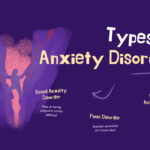
Types of Anxiety Disorders
Anxiety manifests differently depending on the specific disorder:
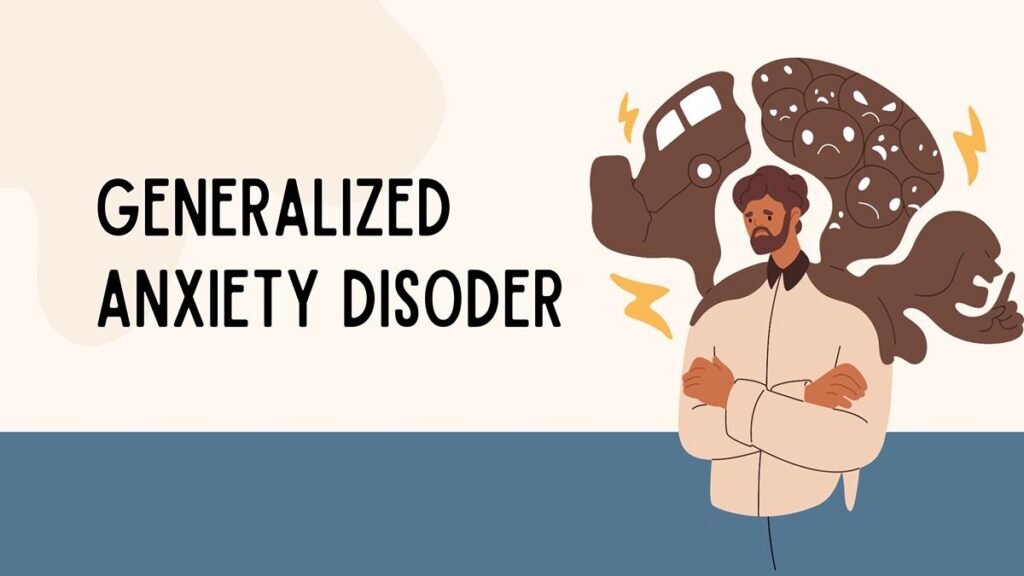
Generalized Anxiety Disorder (GAD): Involves chronic, disproportionate worry about everyday issues like health, money, or work.
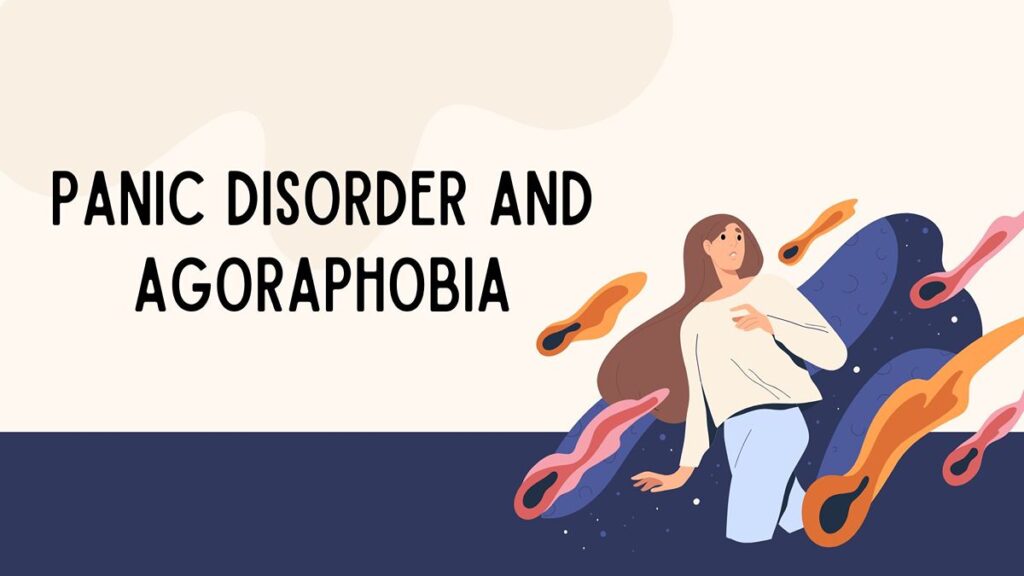
Panic Disorder: Characterized by sudden, intense terror and panic attacks that peak within minutes.
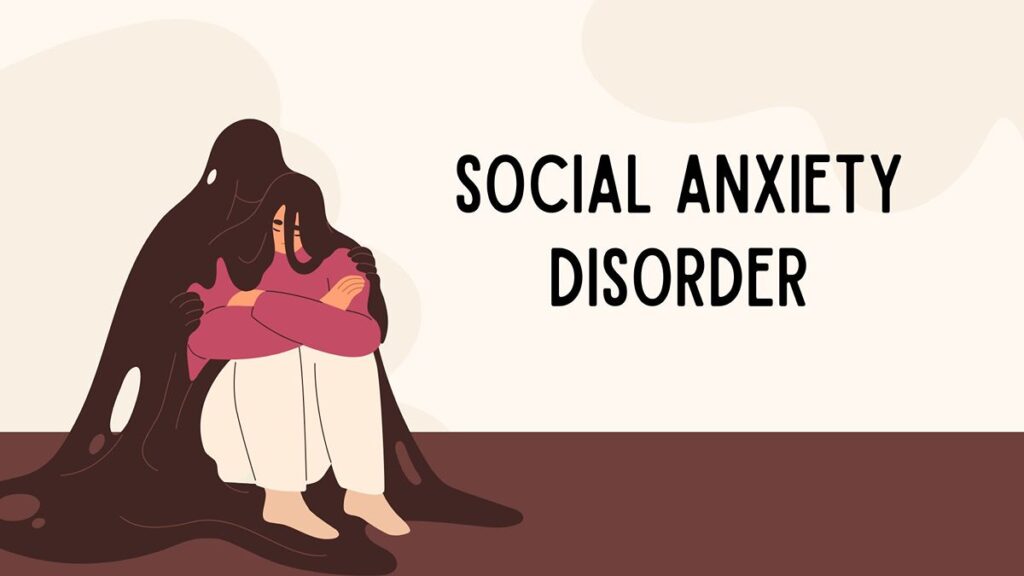
Social Anxiety Disorder: An overwhelming fear of being watched, judged, or embarrassed in public or social settings.
Specific Phobias: Intense, irrational fear of specific objects or situations (e.g., heights, spiders).

Symptoms
All Anxiety Disorder share some general symptoms:
- Panic, fear, and uneasiness
- Sleep problems
- Not being able to stay calm and still
- Cold, sweaty, numb or tingling hands or feet
- Shortness of breath
- Heart palpitations
- Dry mouth
- Nausea
- Tense muscles
- Dizziness
Etiology
Researchers don’t know exactly what brings on Anxiety Disorder. Like other forms of mental illness, they stem from a combination of things, including changes in your brain and environmental stress, and even your genes. The disorders can run in families and could be linked to faulty circuits in the brain that control fear and other emotions.
Epidemology
The lifetime prevalence of generalized Anxiety Disorder has been estimated at about 5%, and the female to male ratio at about 2:1. Some doubt, however, has been expressed about these figures, as it appears that in the epidemiologic surveys patients with depression may have been misdiagnosed as having generalized Anxiety Disorder.
Onset is usually in adolescence or childhood years; however, it may also first appear in early adult years. Symptoms tend to evolve gradually and insidiously.

[…] frequency with BN, AN & BED. There may also be an increased frequency of anxiety symptoms or anxiety disorders itself. Drug abuse (stimulants) is also linked with BN. Whereas AN is associated with OCD, alcohol […]
[…] mental disorder simultaneously. For example, a person with Major Depressive Disorder may also have Generalized Anxiety Disorder. In this case, depression and anxiety are comorbid […]
[…] Specific Phobia, a type of anxiety disorder is an intense and persistent fear towards a precise object, situation, or activity. The people […]
[…] Anxiety disorders […]