


















Anorexia Nervosa
Table of Contents
Clinical Feature
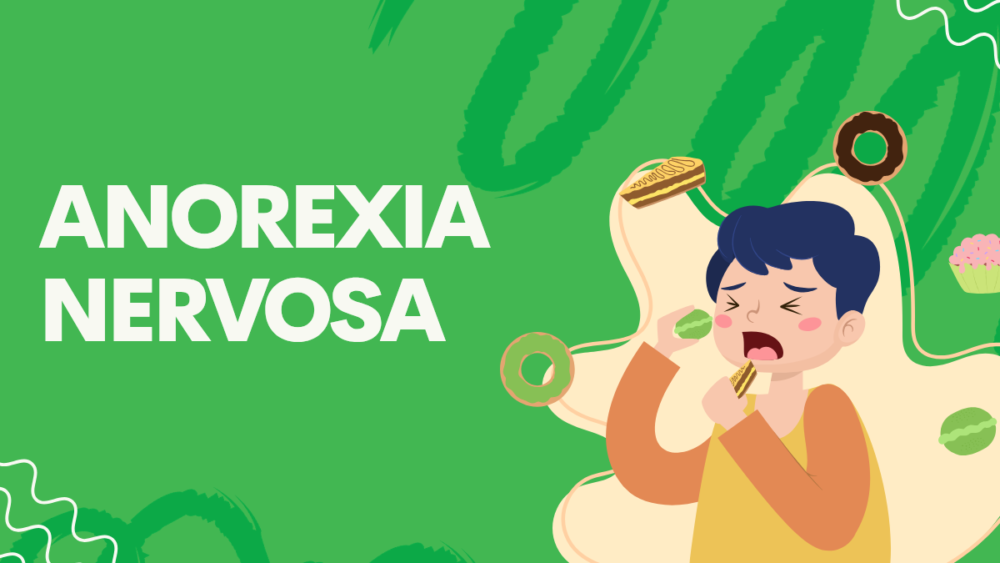
Anorexia Nervosa is another type of Eating and Feeding Disorder. People with Anorexia Nervosa significantly consume very little quantities of food or even leave it unfinished. They avoid food and severely restrict their food consumption and even practice exercise and binge purge (vomiting after eating). They fear gaining weight, and repeatedly weigh and mirror themselves. Some individuals also practice to vomit after consuming food, or use some laxatives, diuretics or other medical medicine to loosen their food. Even if they look underweight, they have a persistent feeling that they are gaining weight. Their selection of food portions are against the average calories required for their bodily development.
It is characterized by excessive food restriction, inappropriate eating habits or rituals, obsession with having a thin figure and an irrational fear of weight gain, as well as a distorted body self-perception. It typically involves excessive weight loss and is diagnosed approximately nine times more often in females than in males. Due to their fear of gaining weight, individuals with this disorder restrict the amount of food they consume.
Outside of medical literature, the terms anorexia nervosa and anorexia are often used interchangeably; however, anorexia is simply a medical term for lack of appetite, and the majority of individuals afflicted with anorexia nervosa do not, in fact, lose their appetites. Patients with anorexia nervosa often experience dizziness, headaches, drowsiness and a lack of energy.
Anorexia nervosa has the highest mortality (death) rate of any mental disorder. People with anorexia may die from medical conditions and complications associated with starvation; by comparison, people with others eating disorders die of suicide.
There are two subtypes of anorexia nervosa: a restrictive subtype (restriction on the amount of food and type of food) and binge-purge subtype (severe restriction on the amount of food and type of food and use of laxatives or vomiting).
Diagnostic Criteria (DSM 5)
- Restriction of energy inhale relative to requirements, leading to a significantly low body weight in the context of age, sex, developmental trajectory, and physical health. Significantly low weight is defined as a weight that is less than minimally normal or, for children and adolescents, less than that minimally expected.
- Intense fear of gaining weight or of becoming fat or persistent behavior that interferes with weight gain, even though at a significantly low weight.
- Disturbance in the way in which one’s body weight or shape is experienced, undue influence of body weight or shape on self-evaluation, or persistent lack of recognition of the seriousness of the current low body weight.
Epidemiology
Anorexia nervosa most often has its onset in adolescence and is more prevalent among adolescent females than adolescent males.
Anorexia has an average prevalence of 0.3–1% in women and 0.1% in men for the diagnosis in developed countries. The condition largely affects young adolescent women, with between 15 and 19 years old making up 40% of all cases. Approximately 75% of people with anorexia are female. Anorexia nervosa is more prevalent in the upper social classes and it is thought to be rare in less-developed countries. Anorexia is more prevalent in females and males born after 1945. The lifetime incidence of atypical anorexia nervosa, a form of ED-NOS in which not all of the diagnostic criteria for AN are met, is much higher, at 5–12%.
Causes
It is not known specifically what causes some people to develop Anorexia Nervosa. As with other mental illnesses, there are many possible factors that could play a role in the development of eating disorders, such as genes, certain behaviors, psychological disorders, and family and societal influences:
- Biological: Some people may be genetically vulnerable to developing anorexia nervosa. A person with a biological sibling or parent with an eating disorder has a higher risk of developing the disease. Researchers have discovered an area on chromosome 1 that appears to be associated with an increased susceptibility to anorexia nervosa but are still trying to determine exactly how genetics play a role.
- Emotional Health: People with eating disorders may have psychological and emotional problems that contribute to the disorder. They may have low self-esteem, perfectionism, impulsive behavior, anger management difficulties, past trauma, family conflicts and/or troubled relationships. They may have low self-worth or may have obsessive-compulsive personality traits that make it easier to stick to strict diets and forgo food despite being hungry. Individuals may have an extreme drive for perfectionism, which means they may never think they’re thin enough.
- Society: The modern cultural environment often cultivates and reinforces a desire for thinness. Success and worth are often equated with being thin in popular culture. Peer pressure and what people see in the media may fuel this desire to be thin, particularly among young women.
Risk Factors
- Sex: Anorexia is more common in girls and women. However, boys and men have been increasingly developing eating disorder.
- Age: Although people of any age can develop an eating disorder, Anorexia is more common among teenagers. Teenagers may be more susceptible because of all of the changes their bodies go through during puberty. They also may face increased peer pressure and may be more sensitive to criticism or even casual comments about weight or body shape.
- Family History: A person with a biological sibling or parent with an eating disorder has a higher risk of developing the disease.
- Weight Changes: When people lose or gain weight — on purpose or unintentionally — those changes may be reinforced by positive comments from others if weight was lost, or by negative comments if there was a weight gain. Such changes and comments may trigger someone to start dieting to an extreme.
- Life Changes: Whether it’s a new school, home or job, a relationship breakup, or the death or illness of a loved one, change can bring emotional distress and increase the risk of anorexia nervosa.
- Occupation: Athletes, actors and television personalities, dancers, and models are at higher risk of anorexia. For some professions, thinness may even be a professional requirement. Sports associated with anorexia include running, wrestling, skiing, figure skating and gymnastics. Professional men and women may believe they will improve their performance by losing weight, and then take it to an extreme. Coaches and parents may inadvertently raise the risk by suggesting that young athletes lose weight.
- Media and society: The media, such as television and fashion magazines, frequently feature a parade of skinny models and actors. But whether the media merely reflect social values or actually drive them isn’t clear-cut. In any case, these images may seem to equate thinness with success and popularity.
Complications
- Death
- Anemia
- Heart problems, such as mitral valve prolapse, abnormal heart rhythms and heart failure
- Bone loss, increasing risk of fractures later in life
- In females, absence of a period
- In males, decreased testosterone
- Gastrointestinal problems, such as constipation, bloating or nausea
- Electrolyte abnormalities, such as low blood potassium, sodium and chloride
- Kidney problems
If a person with anorexia becomes severely malnourished, every organ in the body can sustain damage, including the brain, heart and kidneys. This damage may not be fully reversible, even when the anorexia is under control.
In addition to the host of physical complications, people with anorexia also commonly have other mental disorders as well. They may include:
- Depression
- Anxiety disorders
- Personality disorders
- Obsessive-compulsive disorders
- Drug abuse

[…] with anorexia nervosa significantly consume very little quantities of food or even leave it unfinished. They avoid food […]