












Binge-Eating Disorder
Table of Contents
Clinical Feature
People with Binge Eating (BN) have recurrent episodes of eating unusually large amounts of food and feeling a lack of control over these episodes. In simple terms individuals generally eat larger portions of food, where individuals are often worried about their behavior and attempt to prevent weight gain by fasting, excessive exercise, self induced vomiting and use of laxatives, diuretics (Czyzyk, 2015). People with BN nervously may maintain normal weight but most of them are overweight.
They consume food in a short period of time, and are unable to control their behaviors. Like anorexia, bulimias are also worried about gaining weight. Symptoms include sore throat, swollen salivary glands in the neck and jaw area, severe dehydration, stroke and heart attack and others.
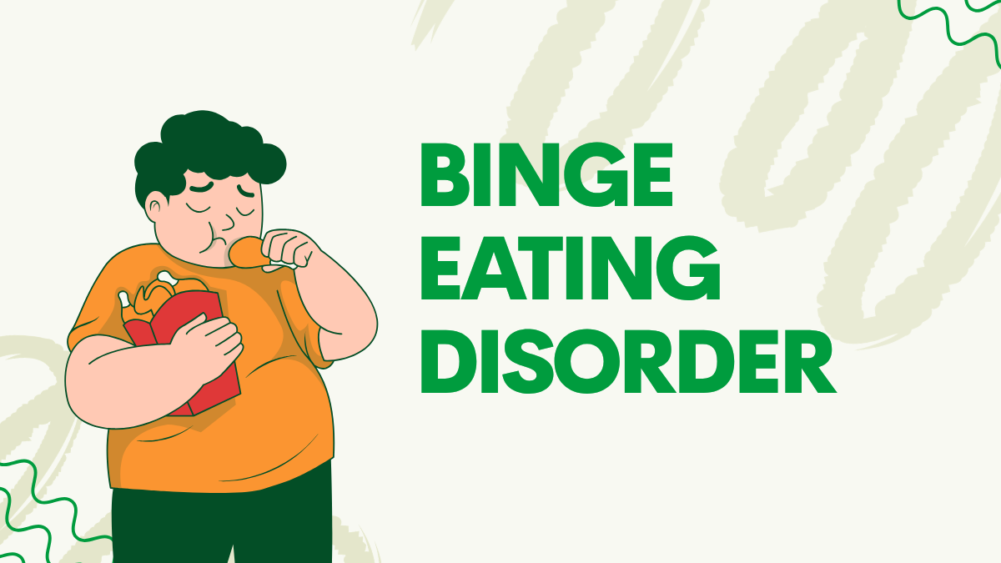
BN is another type of eating disorder is that individuals usually consume larger amounts of food than usual in a very short period of time. Binge Eating people often feel out of control and feel intense shame and guilt afterwards. People with Binge Eating disorder do not loosen either via vomiting, exercise or medicine. They seem to be extremely overweight. The difference between bulimia and Binge Eating disorder is the practice of binge eating after consuming food, whereas in Binge Eating individuals don’t practice Binge Eating.
Diagnostic Criteria (DSM 5)
- Recurrent episodes of Binge Eating. An episode of Binge Eating is characterized by both of the following:
- Eating, in a discrete period of time (e.g., within any 2-hour period), an amount of food that is definitely larger than what most people would eat in a similar period of time under similar circumstances.
- A sense of lack of control over eating during the episode (e.g., a feeling that one cannot stop eating or control what or how much one is eating).
- The Binge Eating episodes are associated with three (or more) of the following:
- Eating much more rapidly than normal.
- Eating until feeling uncomfortably full.
- Eating large amounts of food when not feeling physically hungry.
- Eating alone because of feeling embarrassed by how much one is eating.
- Feeling disgusted with oneself, depressed, or very guilty afterward.
4. Marked distress regarding Binge Eating is present.
5. The Binge Eating occurs, on average, at least once a week for 3 months.
6. The Binge Eating is not associated with the recurrent use of inappropriate compensatory behavior as in bulimia nervosa and does not occur exclusively during the course of bulimia nervosa or anorexia nervosa.
Common signs
- Eating much faster than usual.
- Eating until you’re uncomfortably full.
- Eating large amounts even when you’re not physically hungry.
- Eating alone because of embarrassment.
- Feeling guilt, shame, or distress after eating.
When BN happens regularly and causes significant distress, it may be a condition called Binge Eating Disorder.
Why it happens
BN can be triggered by:
- Emotional stress, anxiety, sadness, or boredom.
- Restrictive dieting or skipping meals.
- Habit and environmental cues (such as easy access to highly palatable foods).
- Sleep deprivation.
- Certain mental health conditions.
What can help
- Eat regular, balanced meals instead of skipping meals.
- Identify emotional or situational triggers.
- Avoid labeling foods as “good” or “bad,” which can increase cravings.
- Practice mindful eating by slowing down and paying attention to hunger and fullness cues.
- Seek support from a healthcare professional, especially if binge episodes are frequent.
Effective treatments for BN often include Cognitive Behavioral Therapy (CBT), nutritional counseling, and, in some cases, medication.If you find yourself Binge Eating frequently (for example, once a week or more for several months), or it’s affecting your health or quality of life, it’s a good idea to speak with a doctor or a mental health professional.

[…] Binge Eating is another type of eating disorder is that individuals usually consume larger amounts of food than usual in a very short period of time. They often feel out of control and feel intense shame and guilt afterwards. People with binge eating disorder do not loosen either via vomiting, exercise or medicine. They seem to be extremely overweight. The difference between bulimia and binge eating disorder is the practice of binge eating after consuming food, whereas in BED individuals don’t practice binge eating. […]