











Bulimia Nervosa
Table of Contents
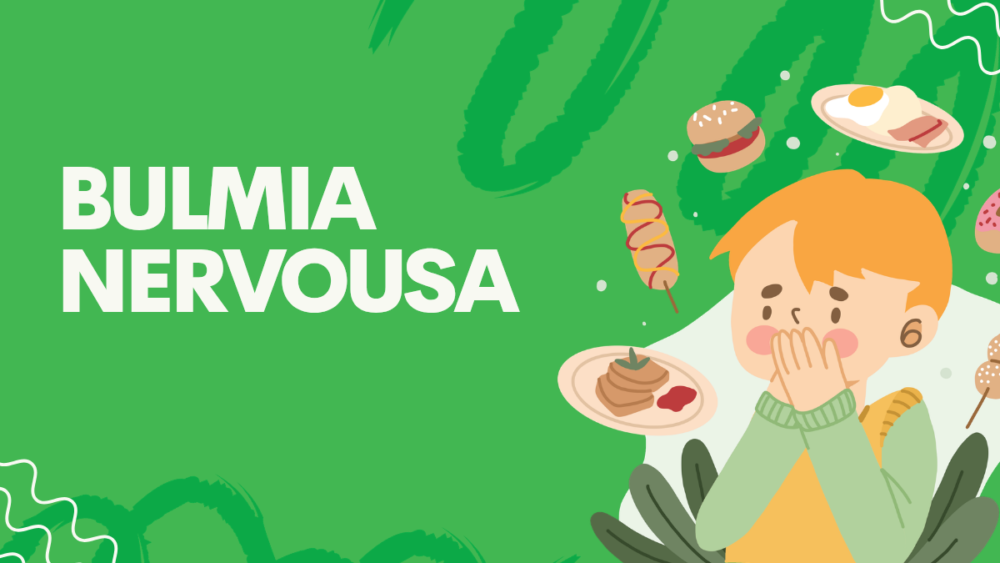
People with Bulimia Nervosa have recurrent episodes of eating unusually large amounts of food and feeling a lack of control over these episodes. In simple terms individuals generally eat larger portions of food (binge eating), where individuals are often worried about their behavior and attempt to prevent weight gain by fasting, excessive exercise, self induced vomiting and use of laxatives, diuretics (Czyzyk, 2015). People with Bulimia Nervosa may maintain normal weight but most of them are overweight.
Bulimia Nervosa is an eating disorder characterized by binge eating and purging, or consuming a large amount of food in a short amount of time followed by an attempt to rid oneself of the food consumed (purging), typically by vomiting, taking a laxative, diuretic, or stimulant, and/or excessive exercise, because of an extensive concern for body weight.
The term bulimia comes from Greek βουλιμία (boulīmia; ravenous hunger), a compound of βους (bous), ox + λιμός (līmos), hunger, literally, bulimia nervosa means disease of hunger affecting the nervous system. Bulimia Nervosa was named and first described by the British psychiatrist Gerald Russell in 1979.
Bulimia Nervosa is characterized by recurrent and frequent episodes of eating unusually large amounts of food (e.g., binge-eating), and feeling a lack of control over the eating. This binge-eating is followed by a type of behavior that compensates for the binge, such as purging (e.g., vomiting, excessive use of laxatives or diuretics), fasting and/or excessive exercise.
Unlike anorexia, people with Bulimia Nervosa can fall within the normal range for their age and weight. But like people with anorexia, they often fear gaining weight, want desperately to lose weight, and are intensely unhappy with their body size and shape. Usually, bulimic behavior is done secretly, because it is often accompanied by feelings of disgust or shame. The binging and purging cycle usually repeats several times a week. Similar to anorexia, people with bulimia often have coexisting psychological illnesses, such as depression, anxiety and/or substance abuse problems. Many physical conditions result from the purging aspect of the illness, including electrolyte imbalances, gastrointestinal problems, and oral and tooth-related problems.
Bulimia Nervosa is defined as:
- Recurrent episodes of binge eating experienced as out of control
- Regular purging, fasting, or excessive exercise to prevent weight gain
- At least two episodes of binging and purging per week for at least three months
They consume food in a short period of time, and are unable to control their behaviors. Like anorexia, bulimias are also worried about gaining weight.
Diagnostic Criteria (DSM 5)
- Recurrent episodes of binge eating. An episode of binge eating is characterized by both of the following:
- Eating, in a discrete period of time (e.g., within any 2-hour period), an amount of food that is definitely larger than what most individuals would eat in a similar period of time under similar circumstances.
- A sense of lack of control over eating during the episode (e.g., a feeling that one cannot stop eating or control what or how much one is eating).
- Recurrent inappropriate compensatory behaviors in order to prevent weight gain, such as self-induced vomiting; misuse of laxatives, diuretics, or other medications; fasting; or excessive exercise.
- The binge eating and inappropriate compensatory behaviors both occur, on average, at least once a week for 3 months.
- Self-evaluation is unduly influenced by body shape and weight.
- The disturbance does not occur exclusively during episodes of anorexia nervosa.
Symptoms
- Repeatedly eating large amounts of food in a short period of time (less than 2 hours).
- Frequently getting rid of the calories you’ve eaten (purging) by making yourself vomit, fasting, exercising too much, or misusing laxatives, diuretics, ipecac syrup, or enemas. Misuse of these medicines can lead to serious health problems and even death.
- Feeling a loss of control over how much you eat.
- Having binge-purge cycles.
- Feeling ashamed of overeating and very fearful of gaining weight.
- Basing your self-esteem and value upon your body shape and weight.
Any of the above symptoms can be a sign of bulimia or another eating disorder that needs treatment. If you or someone you know has any of these symptoms, talk to a doctor, friend, or family member about your concerns right away.
Bulimia and other eating disorders can be hard to diagnose, because people often keep unhealthy thoughts and behaviors secret and may deny that they have a problem. Often a person won’t get evaluation and treatment until someone else notices the signs of bulimia and encourages the person to seek the help that he or she needs.
Other signs that a person may have Bulimia Nervosa
Common signs that a person may have Bulimia Nervosa are when the person:
- Is very secretive about eating and does not eat around other people.
- Sneaks food or hides food in the house. You may notice that large amounts of food are missing.
- Has frequent weight changes. For example, the person may gain and lose large amounts of weight in short periods of time.
- Has irregular menstrual cycles.
- Seems preoccupied with exercise.
- Often talks about dieting, weight, and body shape.
- Seems to be overusing laxatives and diuretics.
- Has low levels of potassium or other blood electrolyte imbalances.
- Looks sick or has symptoms such as:
- Tooth decay or erosion of tooth enamel.
- Sore gums or mouth sores.
- Dry skin.
- Loose skin.
- Thin or dull hair.
- Swollen salivary glands.
- Bloating or fullness.
- Lack of energy.
- Teeth marks on the backs of the hands or calluses on the knuckles from self induced vomiting.
- Feels depressed, anxious, or guilty.
- Shoplifts food, laxatives, or diuretics.
- Drinks large amounts of alcohol or uses illegal drugs and may have a substance abuse problem.
Causes
The exact cause of Bulimia Nervosa is unknown. As with other mental illnesses, there are many possible factors that could play a role in the development of eating disorders, such as genes, certain behaviors, psychological disorders, and family and societal influences:
- Biology: There may be genes that make some people more vulnerable to developing eating disorders. People with first-degree relatives — siblings or parents — with an eating disorder may be more likely to develop an eating disorder as well, suggesting a possible genetic link. It’s also possible that a deficiency in the brain chemical serotonin may play a role in the development of bulimia.
- Behavior: Certain behaviors, such as dieting or over-exercising, can contribute to the development of bulimia. For example, dieting helps encourage rigid rules about food, which when broken can lead to loss of control and overeating.
- Emotional Health: People with Bulimia Nervosa may have psychological and emotional problems that contribute to the disorder. They may have low self-esteem, perfectionism, impulsive behavior, anger management difficulties, past trauma, family conflicts and/or troubled relationships.
- Society: The modern cultural environment often cultivates and reinforces a desire for thinness. Success and worth are often equated with being thin in popular culture. Peer pressure and what people see in the media may fuel this desire to be thin, particularly among young women.
Risk Factors
- Sex: Girls and women are more likely to have bulimia than boys and men are.
- Age: Bulimia often begins in late adolescence or early adulthood. Bulimia is more common in college students than in younger teens.
- Family History: Eating disorders, such as bulimia, are more likely to occur in people who have parents or siblings who have had an eating disorder.
- Dieting: People who lose weight are often reinforced by positive comments from others and by their changing appearance. This may cause some people to take dieting too far, leading to bulimia.
- Family Influences: People who feel less secure in their families, whose parents and siblings may be overly critical, or whose families tease them about their appearance are at higher risk of bulimia and other eating disorders.
- Emotional Disorders: People with depression, anxiety disorders and obsessive-compulsive disorder are more likely to have an eating disorder.
- Occupation: Athletes, actors and television personalities, dancers, and models are at higher risk of eating disorders, such as bulimia. Eating disorders are particularly common among ballerinas, gymnasts, skiers, runners and wrestlers. Coaches and parents may unwittingly contribute to eating disorders by encouraging young athletes to lose weight.
Complication
Bulimia Nervosa may cause numerous serious and even life-threatening complications. Possible complications of Bulimia Nervosa include:
- Heart problems, such as an irregular heartbeat and heart failure
- Severe tooth decay
- Chronically inflamed and sore throat
- In females, absence of a period
- Digestive problems, and possibly a dependence on laxatives to have bowel movements
- Kidney issues
- Severe dehydration
- Drug and alcohol abuse
- Death

[…] with bulimia nervosa have recurrent episodes of eating unusually large amounts of food and feeling a lack of control […]