Neurotransmitters and Glands
Table of Contents
Neurotransmitter
Neurotransmitters and Glands are knwon as major communication systems. It’s a messengers which neurons use to communicate, transmit signals with one another or with their target tissues in the process of synaptic transmission.They are released at a synapse following depolarization of the nerve terminal, There are believed to more than 40 neurotransmitters in the human nervous system, some literature in internet claims to have more than 60 of it. They function as excitatory or inhibitory substances.
Excitatiry neurotransmitters function to activate receptors on the postsynaptic memebrane where as inhibitory neurotrnasmitters function to prevent an action potential.
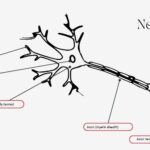
Human Nervos system is a complex network of neurons which we called a nerve cell, the primary functions is which coordinates and regulated all our bodily functions in this case Neurotransmitter carry messeges between the nerve cells, helping signals throughout the body. They make communication between two neuron and infleunce everything from muscle movement to emotion regulation.
Types of Neurotransmitters and its functions
| ADRENALINE | NORADRENALIN | DOPAMINE | GABA | SEROTONIN | ACETYLCHOLINE |
| Fight or flight | Concentration | Pleasure | Calming | Mood | Learning |
| Produce in stressful situation, Increase in heart rate and blood flow | During attentionVigilance Mood Memory | Feeling in pleasure (when receiving reward), Movement motivation Learning Attention | High level improve focus low level cause anxietyContribute to motor control and vision | Happiness, Sleep cycle, Digestive Memory,Decision making behaviour | Involved in thought, learning process and memory |
Glands
A glands is an organ which produces and releases substances that perform a specific function in the body. They are specialized tissues or groups of tissues that release importants chemicals. Such relased chemical often travel throughout the body.
In human body, there are two types of glands, Endocrine and Exocrine. Some glands release chemicals for surronding area only where others release chemicals that travel througout the body. It also remove unwanted substance from our body such as mucus or even urine that we passes through our body.
Endocrine glands are ductless glands that release the substances that they make (hormones) directly into the bloodstream and in return it regulate metabolism, growth and mood. Major gland that includes are pitutary, thyroid, adrenal and pineal glands.
Excorine gland are that use tube like a ducts release non hormonal substances outside the body or to other organ. Some example of the excorince glands are breast milk, mucus, sweeting. Such gland are prone to infections, either directly or form system infections,
There is also mixed/heterocrine gland which do both function of endocrine and exocrine.
They are located throughout our body from skin surface to eyes, anus, breast, livers and others
Types of Gland
| Name | Location | Shape | Function |
| Pinel | Middle of the brain Or behind thalamus | Pea-sized | Best known for the role it plays in regulating sleep patterns, Menstrual cycle |
| Pituitary (aka Master Gland, Growth Hormone) | Base of brain, just behind the bridge of your nose | Master gland because it controls a number of other hormone glands majorly (thyroid, sex and adrenal) | |
| Thyroid (Thyroxin, Triiodothyronine) | Lower neck | Bow tie or butterfly shaped | Bones grow and develop accordingly, They also play a role in the development of the brain and nervous system |
| Adrenals (Cortisol, adrenaline, aldosterone) | Top of each kidney | fight or flight” hormoneThey affect your metabolism and sexual function, It helps you stay healthy and energetic | |
| Pancreas (insulin) | Abdomen, surrounded by the small intestine, stomach, liver, gallbladder | Tip of Kidney | Break down food It also makes the hormones insulin and glucagon. |
| Gonads (Testosterone – male released by testes) (Estrogen – female released by ovarly) | Sexual Organ, it is different in male and female | Sex Organ | Sex activities Different in male and female Female-Menstrual cycle and reproduction Male- building body muscles |