


























Structure and Function of Neurons
Table of Contents
Neuron
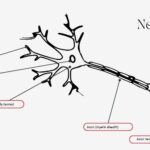
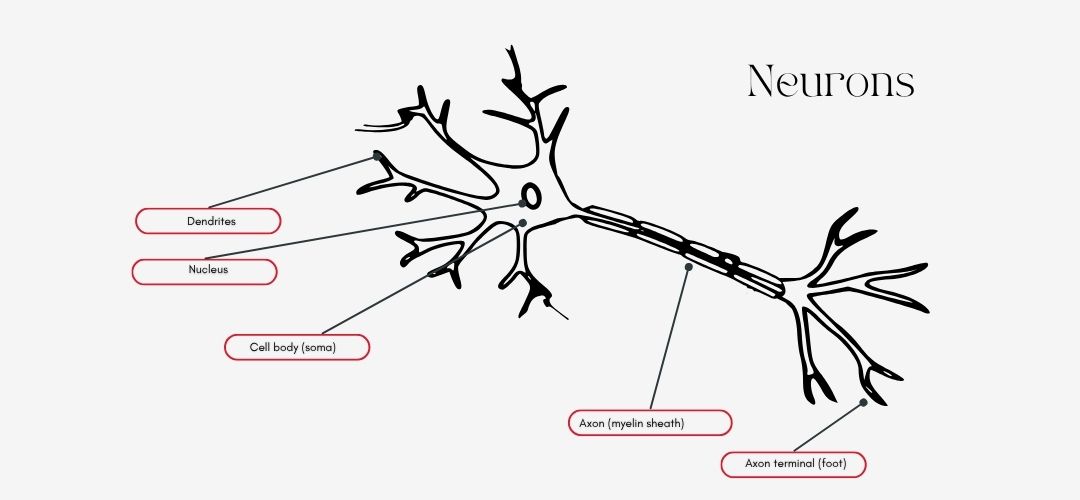
Neuron, known as nerve cell are the basic working units of brain aswell as the nervous system. It is known messengers between different parts of sensory receptors to and for the brain. It use electrical impulse and chemical signal for transmit of those messesge. In that senses Neuron are the structure of nervous system that carries information to and from the brain.
The Baisc parts of Neuron as as follows
- Dendrite- receive information from senses organ
- Cell body- determine whether or not to send information received from cell body to axon
- Axon
Axon is a long, thin fiber that carries electrical signals away from the cell body to other cell. Within Axon that is Myelin Stealth which transfer the information between axon, Node of Ranvier produces an electricity so information passes quickly and Axon terminal that transfer the information to dendrite of other Neuron
Types of Neuron
There are different types of Neuron in nervous system. Each Neuron have specific functions.

Sensory Neuron: It communicate information from sense organ to brain.
Motor Neuron: Moter Neuron communicate information from brain to sense organ.
Interneuron: Where as those Neuronthat are only found in brain, this Neuron helps to transfer information from one parts of brain to aother
Divisions of Nervous System
Central Nervous System
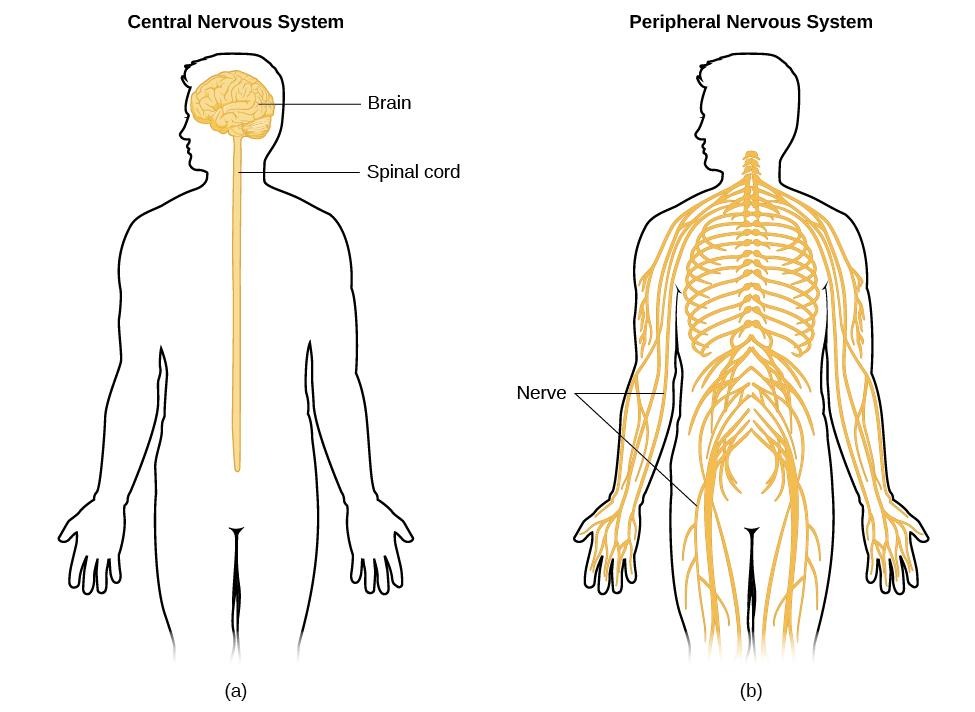
Brain
- Brain is the centre of control of all the body functions and senses.
- The average weight of the human brain is around 1.5 kg
- And it contains about 86 billion nerve cells (Neuron) that control every action you take.
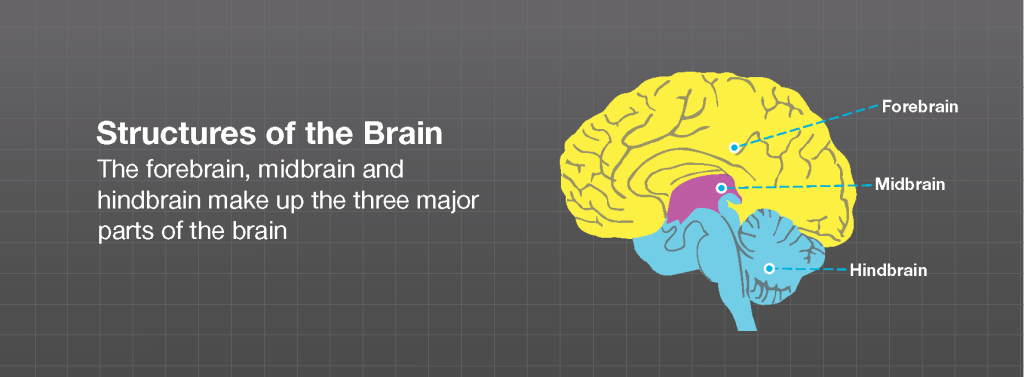
Fore Brain
- It is the main thinking part of the brain and controls the voluntary actions.
- The forebrain processes sensory information that is collected from the various sense organs such as ears, eyes, nose, tongue, skin.
- It is because of the presence of forebrain, humans are placed at the highest level in the animal chain.
Cerebrum | Frontal lobe | speech, reasoning, problem-solving, planning, movement and emotions | ||
| Parietal lobe | recognition, orientation, and perception of stimuli | |||
| Occipital lobe | responsible for visual processing | |||
| Temporal lobe | associated with memory, speech perception and recognition of auditory stimuli | |||
| Thalamus | Shape | Location | Function | |
| Egg shape | Center of human brain | Sensory information (except smell) is relay through thalamus | ||
| Hypothalamus | Almond, finger nail size | Underneath thalamus | Sleep wake cycleReproduction Food water intake | |

Mid Brain
- The midbrain connects the forebrain and the hindbrain.
- between the thalamus and pons.
- It acts as a bridge and transmits signals from hindbrain and forebrain.
- It is associated with motor control, vision (eye movement), hearing, mood regulation, alertness.
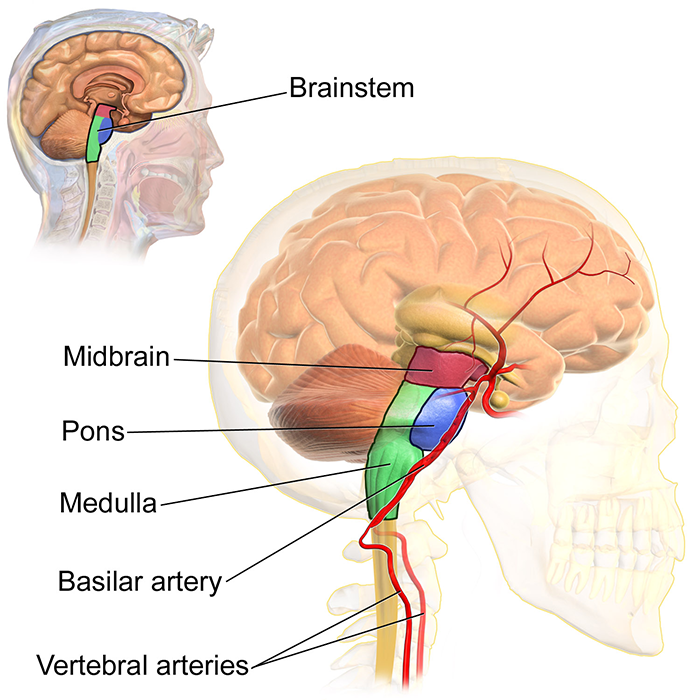
Hindbrain
| Parts | Shape | Location | Function |
| Pons | Fat/round | Below midbrain | Bridge between brain and spinal cord |
| Medulla oblongata | Lower part of brain stem | heart rate, blood pressure, breathing – and many involuntary reflexes such as swallowing and sneezing. | |
| Cerebellum | Behind the pons | coordinates them with muscle movement, thus helping us maintain balance and posture. |
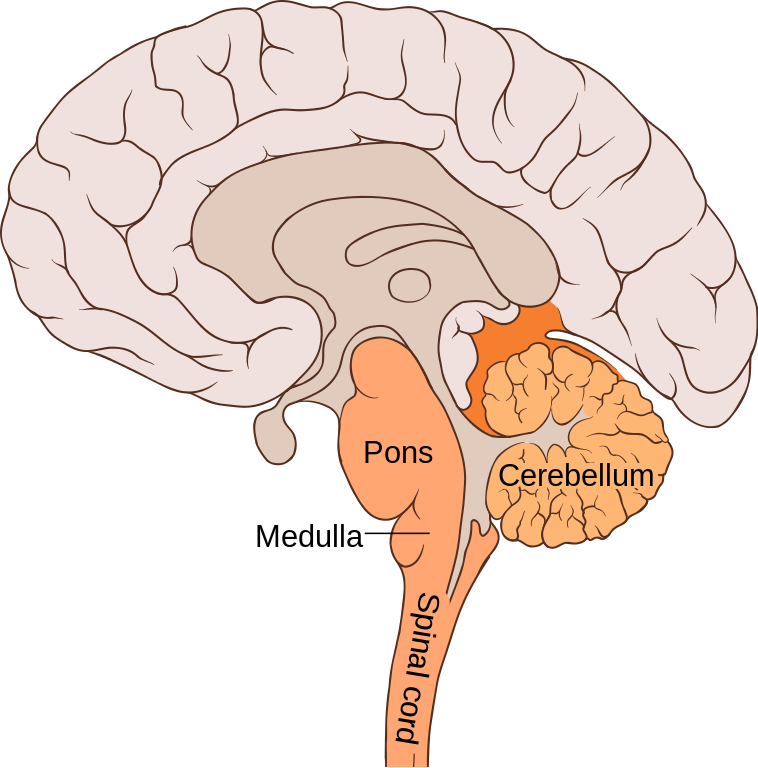
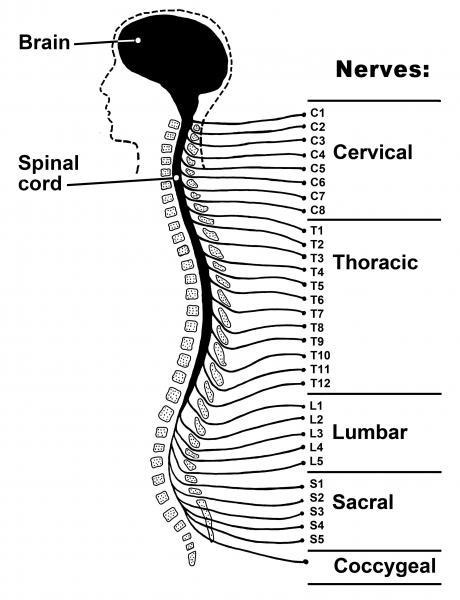
Spinal Cord
- Spinal cord is a long, fragile tube like structure that begins at the end of the brain stem
- The brain and the spinal cord work together.
- The spinal cord is the link between the brain and the nerves in the rest of the body
- 31 pairs of nerves
Funtions of Spinal Cord
- Move
- Feel hot and cold temperature, vibration, sharp, and dull sensations
- Sense the position of your arms and legs
- Control blood pressure, heart rate, and body temperature
- Control bodily functions, such as breathing, urination (peeing), and bowel movements
Peripheral nervous system
Peripheral Nervous System are that types of nervous system which contains all the nerves that lie outside of the central nervous system. The primary role of this nervous system is to connect the CNS to the organs, limbs, and skin. The peripheral system allows the brain and spinal cord to receive and send information to other areas of the body, which allows us to react to stimuli in our environment
Somatic NS
- Part of the peripheral nervous system responsible for carrying sensory and motor information to and from the central nervous system.
Autonomic NS
- Regulating involuntary body functions, such as blood flow, heartbeat, digestion, and breathing
- Autonomic system that controls aspects of the body that are usually not under voluntary control

[…] Structure and Function of Neuron […]
[…] Structure and Function of Neuron […]